vFunction achieves AWS Resilience Competency for software architecture design
Resilience used to mean adding more of everything: more hardware, more zones, more failover, more redundancy. But as systems grow more distributed, automated, and critical to daily operations, resilience is increasingly shaped by what happens within the application itself.
Infrastructure still plays a major role. But many of the failures that disrupt businesses originate in the architecture, in the logic, dependencies, and design choices teams rely on every day. Infrastructure can’t compensate for failures rooted in the application itself.
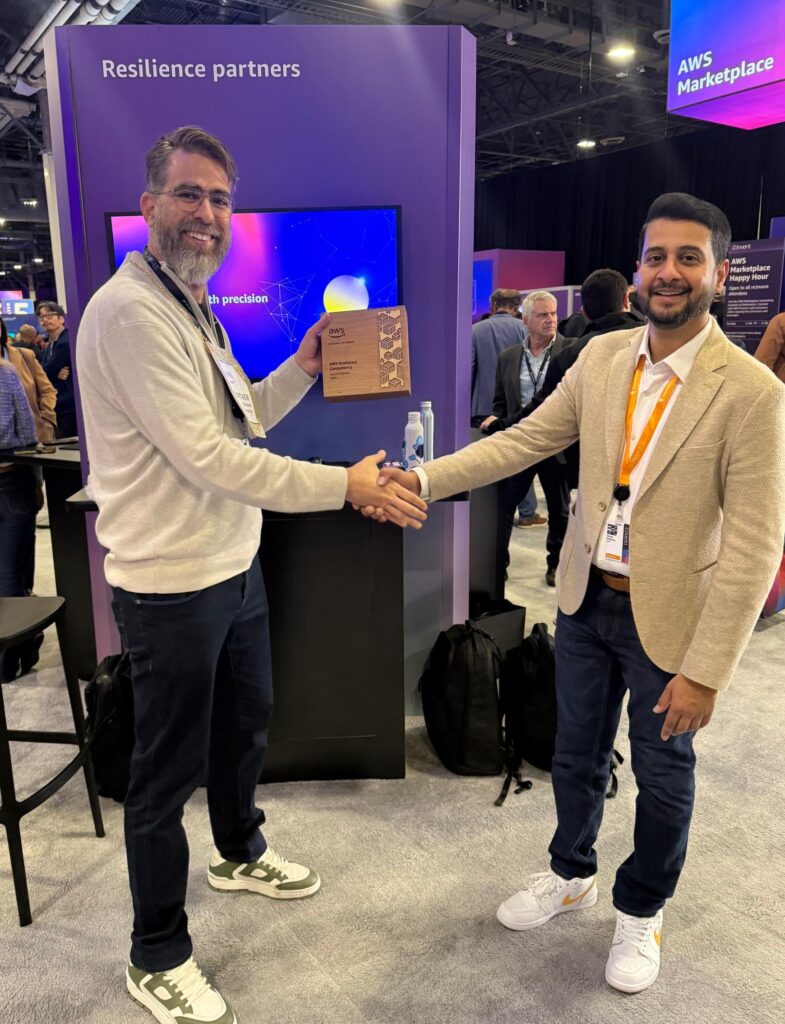
AWS just introduced a software-focused category within its Resilience Competency, which until now has focused on services. vFunction achieved the AWS Resilience Software Competency in the Resilience Design category, reflecting the growing need to understand and strengthen resilience at the architectural level.

Resilience starts where most teams aren’t looking: software architecture
Traditional resilience measures, including backups, replication, and multi-availability zone (AZ) failover, remain essential. They protect against infrastructure-level issues. But they don’t address failures rooted in the application.
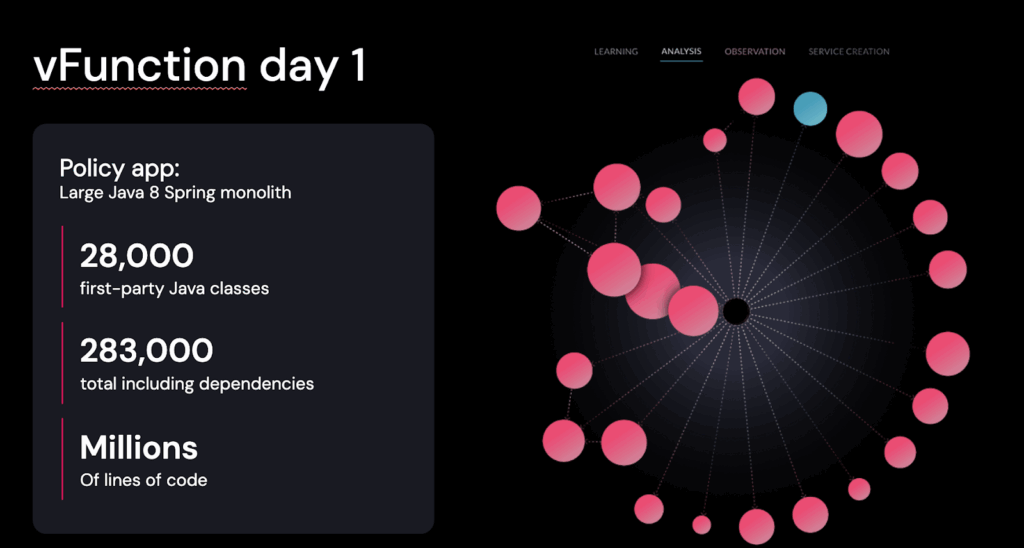
A brittle integration, a circular dependency, an overcentralized class, or a hidden single point of failure can interrupt core operations even if the infrastructure is perfectly designed.
That’s the gap the AWS Resilience Competency highlights and the gap organizations increasingly need to close.
The role of resilience in enterprise apps
Across industries, teams are being asked to deliver near-continuous availability. And the stakes for downtime keep rising.
In a conversation with a leading European automaker, we discussed how even minutes of software downtime can halt an entire production line. In just-in-time manufacturing, the software coordinates each step with zero slack, so a single architectural flaw can stop machines, idle staff, and delay downstream operations. Those minutes turn directly into financial losses long before a customer sees the impact.
The same pattern applies to other high-stakes workloads: online banking, trading systems, ERPs, logistics networks, e-commerce platforms. Expectations are now effectively always-on.
“With over a trillion annual transactions flowing through our platforms, resilience is non-negotiable for a leading UK insurtech like CDL.
Matthew Eisengruber
Head of Architecture, CDL
Case study
Shifting left for resilience
Teams can’t wait for production issues to expose weak points. They need ways to understand resilience risks early, before they turn into incidents.
Shifting left for resilience means:
- Identifying architectural risks at the domain and dependency level
- Understanding where failure could propagate
- Designing modular, fault-tolerant structures
- Reducing architectural bottlenecks and single points of failure
- Validating improvements before changes reach production
Resilience becomes something built into the application, not bolted on afterward.
How vFunction helps
vFunction helps engineering teams take an architectural approach to resilience:
1. Analyze and visualize architecture
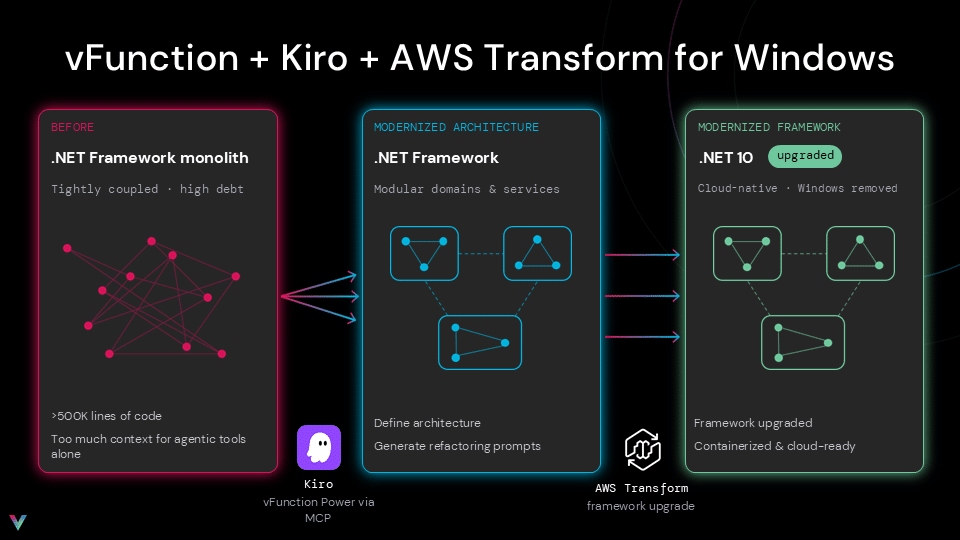
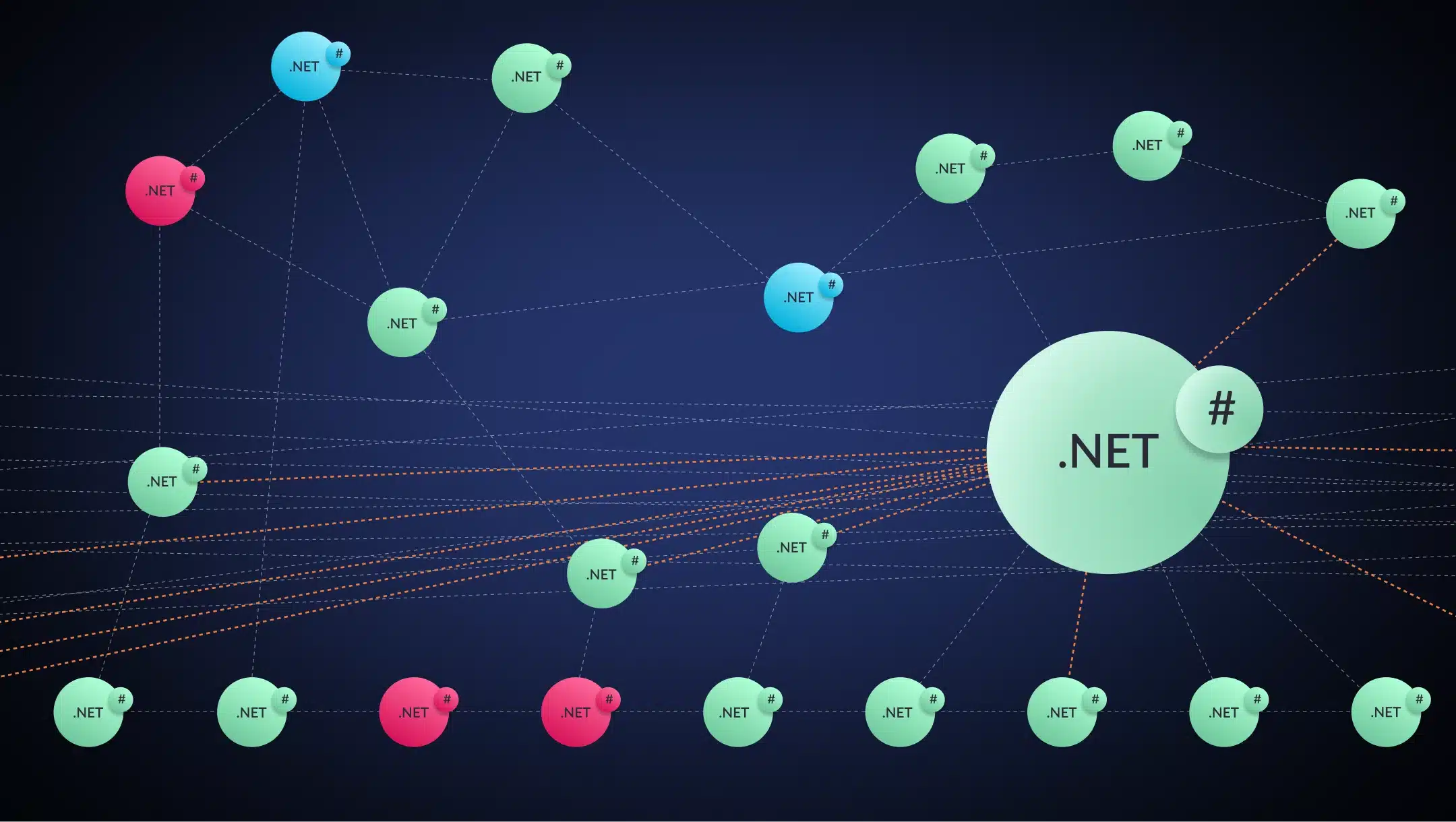
Combining static and dynamic analysis with data science, we expose domain boundaries, dependencies, and architectural technical debt in complex Java and .NET applications.
2. Recommend targeted refactoring
Teams receive actionable guidance to increase modularity, reduce coupling, and prepare for more resilient, scalable cloud architectures.
3. Accelerate refactoring with GenAI
With native support for Amazon Q Developer and other GenAI assistants, vFunction provides architecture-aware prompts that guide automated or assisted code improvements.
4. Iterate and test improvements faster
The approach is iterative, allowing teams to validate architectural changes continuously and shorten modernization timelines.
These capabilities help harden applications against real-world disruptions, not just by improving infrastructure, but by strengthening the system’s structure.
Building toward a more resilient future
By combining architectural analysis, targeted refactoring, and AWS-native modernization patterns, organizations can build applications that adapt, recover, and evolve with far greater confidence.
AWS offers a wide range of resilience services, but using all of them isn’t the goal. When the application is modular, fault-tolerant, and well-designed, teams can use AWS resilience services more selectively and strategically, rather than relying on them to compensate for architectural issues.
If you’re evaluating modernization initiatives or working to improve the resilience of your critical workloads, feel free to reach out. We’re always happy to share what we’ve learned and help you explore the architectural decisions that will shape long-term reliability.